
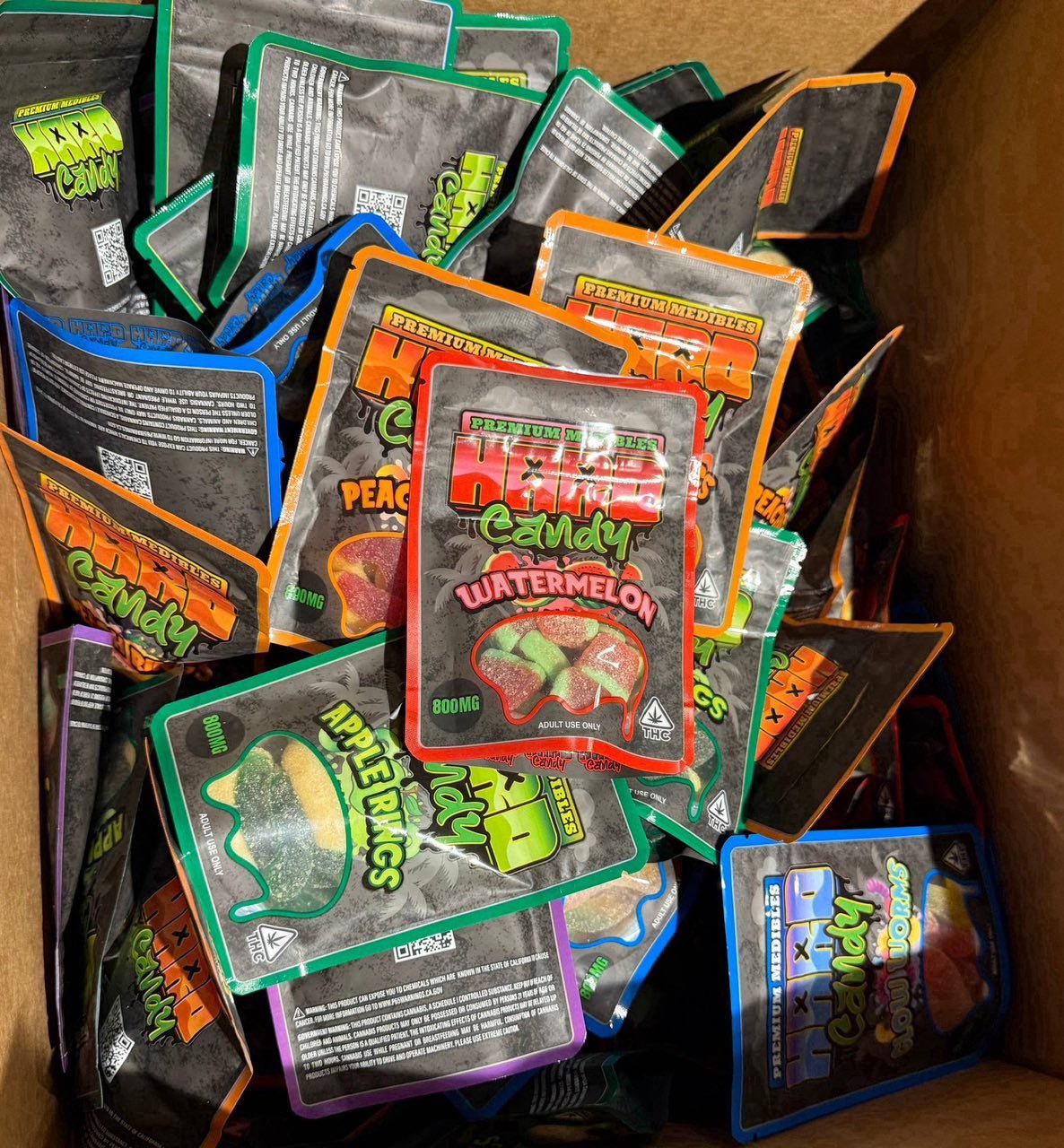
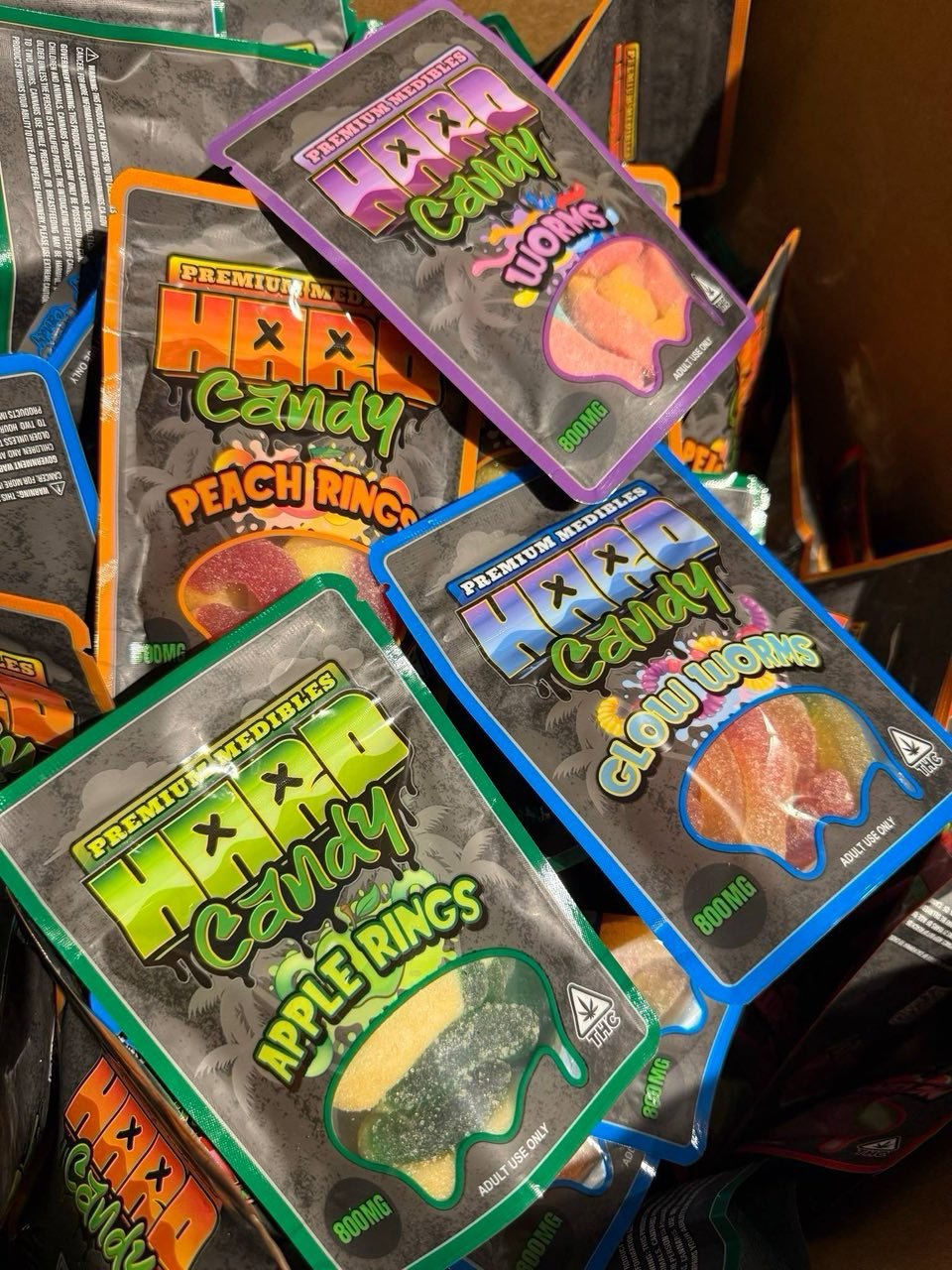
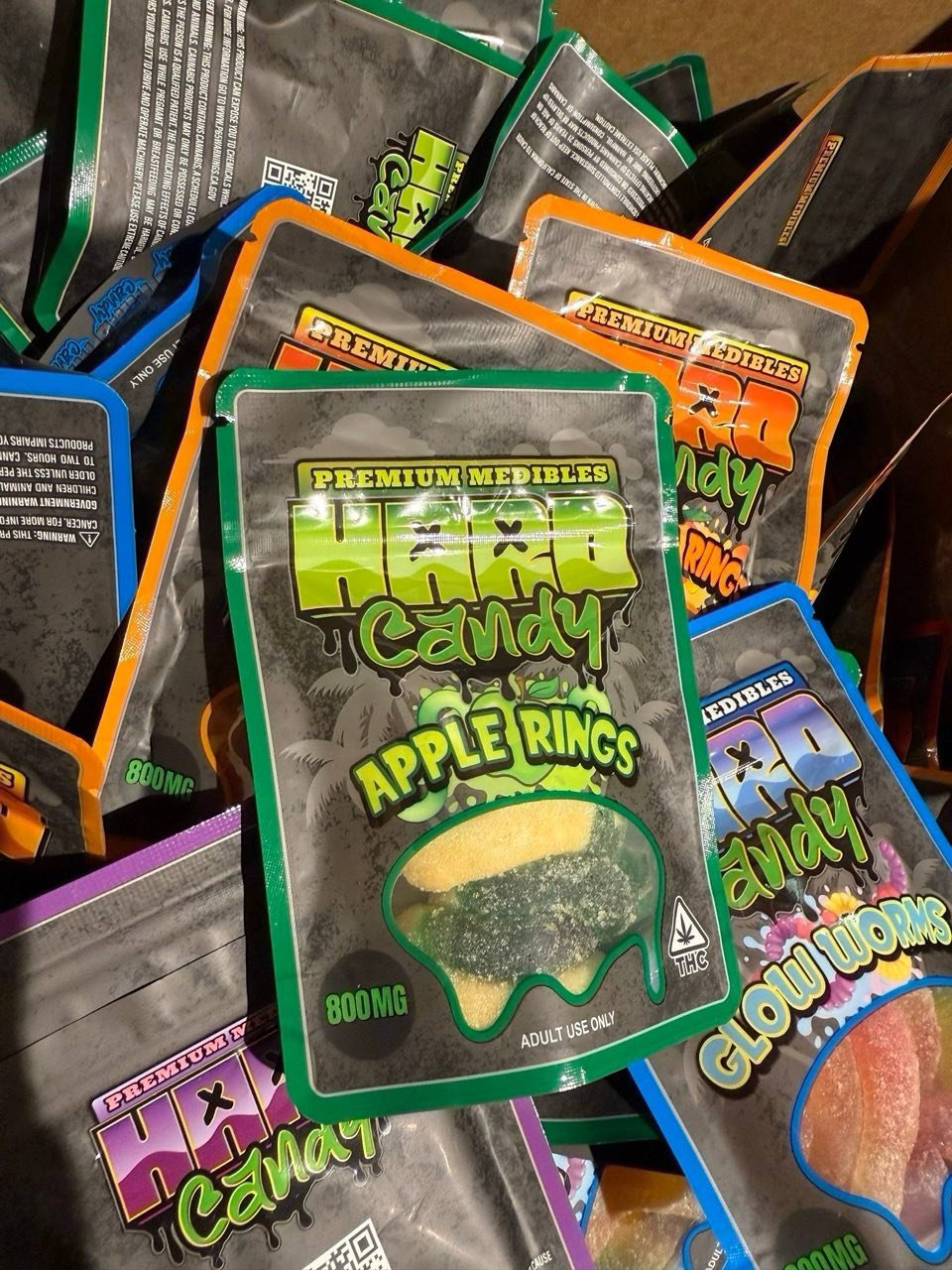
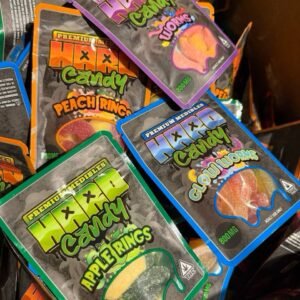
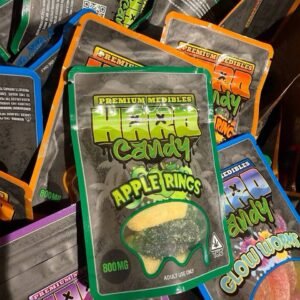
Hard Candy Edibles 800mg

Price range: $25.00 through $1,100.00
Hard candy edibles are infused candy products designed to deliver flavor and long-lasting edible effects in a convenient, portable form. These candies combine traditional hard candy textures with carefully crafted infusion methods, offering consumers a slow-dissolving edible experience that delivers consistent flavor and controlled consumption. Hard candy edibles are popular because they are discreet, flavorful, and easy to portion, making them a common choice among edible enthusiasts.
Hard Candy Edibles: Complete Guide, Benefits, Flavors, Dosage, and Buying Tips
Introduction to Hard Candy Edibles
Edible products have become one of the most widely recognized alternatives to traditional consumption methods. From gummies and chocolates to baked goods and beverages, the edible market has expanded dramatically in recent years.
Among these edible formats, hard candy edibles have emerged as a popular choice for consumers who want a long-lasting candy experience combined with flavorful sweetness. These candies resemble traditional hard candies but contain infused ingredients designed to provide effects once consumed.
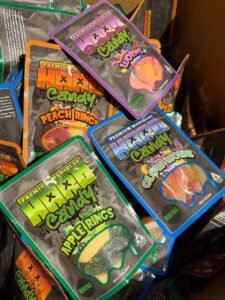
Hard candy edibles appeal to many users because they dissolve slowly in the mouth, allowing the flavor to develop gradually while providing a discreet and convenient way to enjoy edible products.
This comprehensive guide explores everything you need to know about hard candy edibles, including:
- What hard candy edibles are
- How they are made
- Common flavors and varieties
- Ingredients and candy formulation
- Benefits compared to other edibles
- Storage recommendations
- Buying tips and safety considerations
Understanding these factors can help consumers make informed decisions when selecting edible products.
What Are Hard Candy Edibles
Hard candy edibles are infused candies designed to look and taste like traditional hard candies while delivering edible effects through ingestion.
These candies are created using classic candy-making methods where sugar is heated and hardened into solid candy forms. During production, infused ingredients are added to the mixture before the candy hardens.
The final result is a solid candy that dissolves slowly in the mouth.
Key Characteristics of Hard Candy Edibles
Hard candy edibles share several distinctive features:
- Solid candy texture
- Slow dissolving format
- Strong candy flavor
- Long shelf life
- Portable packaging
Because the candy dissolves slowly, many consumers appreciate the gradual release of flavor and the controlled portion size.
Why Hard Candy Edibles Are Popular
Hard candy edibles have gained popularity due to several advantages over other edible formats.
Discreet Consumption
Hard candies resemble ordinary sweets, making them easy to carry and consume without drawing attention.
Long Shelf Life
Unlike baked goods, hard candy has a longer shelf life when stored correctly.
Portion Control
Individual candies often contain a measured portion, making it easier for consumers to control intake.
Flavor Variety
Candy manufacturers can create a wide range of flavors, from fruity to minty.
Portable and Durable
Hard candies are less likely to melt compared to chocolate or gummies, making them suitable for travel.
How Hard Candy Edibles Are Made
Candy production requires precise temperature control and specialized equipment. Hard candy edibles follow a similar manufacturing process as traditional hard candy.
Step 1: Ingredient Preparation
Candy ingredients are measured carefully before production begins. The main components include sugar, corn syrup, flavorings, and colorings.
Step 2: Sugar Heating
The sugar mixture is heated to a high temperature until it reaches the hard crack stage.
Step 3: Infusion Process
During cooling, infused ingredients are incorporated into the candy mixture to ensure consistent distribution.
Step 4: Candy Shaping
The candy mixture is poured into molds or shaped into small pieces.
Step 5: Cooling and Packaging
Once the candy hardens, it is packaged to maintain freshness and prevent moisture exposure.
Ingredients in Hard Candy Edibles
Understanding candy ingredients helps consumers evaluate product quality.
Core Candy Ingredients
Hard candy edibles typically contain the following:
- Sugar
- Corn syrup
- Water
- Flavoring agents
- Food coloring
- Acidulants such as citric acid
These ingredients create the signature sweetness and smooth texture associated with hard candies.
Flavor Additives
Flavor additives help produce distinctive candy varieties such as fruit or mint flavors.
Examples include:
- Natural fruit extracts
- Artificial flavorings
- Essential oils for mint candies
Flavoring ingredients significantly influence the final candy taste.
Flavor Options for Hard Candy Edibles
Flavor variety is one of the biggest advantages of hard candy edibles.
Fruit Flavors
Fruit flavors are among the most popular options.
Common fruit varieties include:
- Strawberry
- Watermelon
- Blue raspberry
- Cherry
- Green apple
- Mango
- Pineapple
These flavors provide a sweet and tangy candy experience.
Citrus Flavors
Citrus flavors deliver a refreshing taste.
Examples include:
- Lemon
- Lime
- Orange
- Grapefruit
These flavors often include citric acid to enhance tanginess.
Mint and Herbal Flavors
Mint-based candies offer a cooling sensation.
Common mint varieties include:
- Peppermint
- Spearmint
- Wintergreen
Mint candies are popular for their refreshing taste.
Dessert Flavors
Some candy producers experiment with dessert-inspired flavors.
Examples include:
- Caramel candy
- Vanilla cream
- Butterscotch
These flavors provide a richer candy experience.
Texture and Dissolving Experience
Hard candy edibles provide a unique texture compared to other edible formats.
Smooth Candy Surface
Properly manufactured candies have a glossy and smooth exterior.
Slow Dissolving Format
The candy gradually dissolves in the mouth, releasing flavor over time.
Crunchable Option
Some consumers prefer to crunch the candy, although this shortens the flavor experience.
The slow dissolving nature contributes to the popularity of hard candy edibles.
Benefits of Hard Candy Edibles
Hard candy edibles offer several advantages that attract consumers.
Long Shelf Stability
Because they contain minimal moisture, hard candies remain stable for extended periods.
Travel Friendly
They do not require refrigeration and resist melting.
Precise Portioning
Many hard candy products are individually wrapped, allowing accurate portion control.
Strong Flavor
Candy flavorings provide a bold taste that can mask other ingredients.
Discreet Packaging
Candy packaging often resembles regular sweets.
Comparing Hard Candy Edibles to Other Edible Types
Edibles come in many forms, each offering unique benefits.
| Edible Type | Texture | Shelf Life | Portability |
|---|---|---|---|
| Hard Candy | Solid | Very Long | High |
| Gummies | Chewy | Moderate | High |
| Chocolate | Smooth | Moderate | Medium |
| Baked Goods | Soft | Short | Low |
Hard candy edibles stand out due to their long shelf life and portability.
Proper Storage of Hard Candy
Correct storage ensures candy maintains its quality.
Ideal Storage Conditions
Hard candy edibles should be stored in:
- Cool environments
- Dry locations
- Airtight packaging
Humidity can cause candies to become sticky or lose their shape.
Avoid Heat Exposure
Excess heat may cause candies to soften or melt together.
Keep Away from Moisture
Moisture is the main factor that affects candy stability.
Packaging and Product Design
Packaging is an important aspect of hard candy edibles.
Individual Wrapping
Many candies are individually wrapped to protect freshness.
Resealable Bags
Some products use resealable packaging for convenience.
Child-Resistant Containers
Responsible packaging may include child-resistant features.
Packaging design ensures product safety and shelf life.
Responsible Use and Safety Awareness
Consumers should always use edible products responsibly.
Important Safety Tips
- Keep products away from children
- Follow product instructions carefully
- Avoid combining with alcohol
- Store products securely
Responsible consumption helps reduce potential risks.
Buying Tips for Hard Candy
When shopping for hard candy, several factors should be considered.
Product Transparency
Choose products that clearly list ingredients.
Packaging Quality
Well-sealed packaging protects freshness.
Brand Reputation
Reputable manufacturers typically maintain better quality standards.
Flavor Options
Select flavors that match your taste preferences.
Frequently Asked Questions
What are hard candy edibles
Hard candy edibles are infused candies that dissolve slowly in the mouth and deliver edible effects through ingestion.
Why are hard candy popular
They offer strong flavors, long shelf life, and convenient portability.
How long do hard candies last
When stored properly, hard candies can remain fresh for many months.
Can hard candy melt
They are more heat resistant than chocolate but may soften in high temperatures.
Are hard candy edibles easy to store
Yes, they require minimal storage conditions and remain stable for long periods.
Final Thoughts
Hard candy have become a popular option within the growing edible market due to their long shelf life, bold flavors, and convenient format. Their slow-dissolving nature provides a unique candy experience that differs from other edible products such as gummies or chocolates.
With a wide range of flavor options, durable packaging, and easy portability, hard candy edibles appeal to consumers looking for a discreet and flavorful edible format.
Understanding how these candies are made, what ingredients they contain, and how they should be stored can help consumers make more informed choices when exploring edible products.
As the edible industry continues to expand, hard candy edibles will likely remain a popular choice due to their convenience, flavor diversity, and classic candy appeal.
| Flavors | Strawberry, Blue Raspberry, Watermelon, Green Apple, Mango, Pineapple, Cherry, Grape, Lemon, Pink Lemonade, Blueberry, Mixed Berry, Cotton Candy, Dragon Fruit, Sour Cherry, Rainbow, Tropical Punch, 10pk (mixed flavors), 25pk (mixed flavors), 50pk (mixed flavors), 100pk (mixed flavors) |
|---|
Be the first to review “Hard Candy Edibles 800mg”
Related products
Edibles


Edibles
Edibles
Edibles
Reviews
There are no reviews yet.